

SaaS Fintech PPC Agency for Regulated B2B Software

Fintech CACs don’t
respond to bigger budgets.
They respond to better intent.

A SaaS fintech PPC agency runs paid search and paid social for financial software companies, built to drive demo signups and revenue rather than clicks. The constraint that shapes everything: ad copy and landing pages have to clear compliance before they can convert.


5.0 out of 5 stars
Book Free Audit
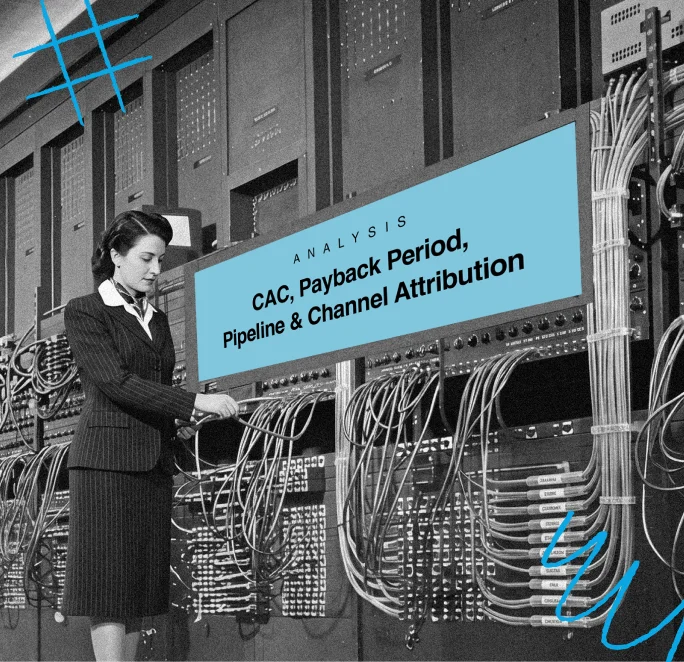
Vintage figure representing fintech PPC pipeline growth
Leading SaaS companies that choose us

From Ad Spend to Pipeline

We use AI to surface intent signals faster, and fintech-aware judgment to spend ad dollars where regulated buyers actually click.

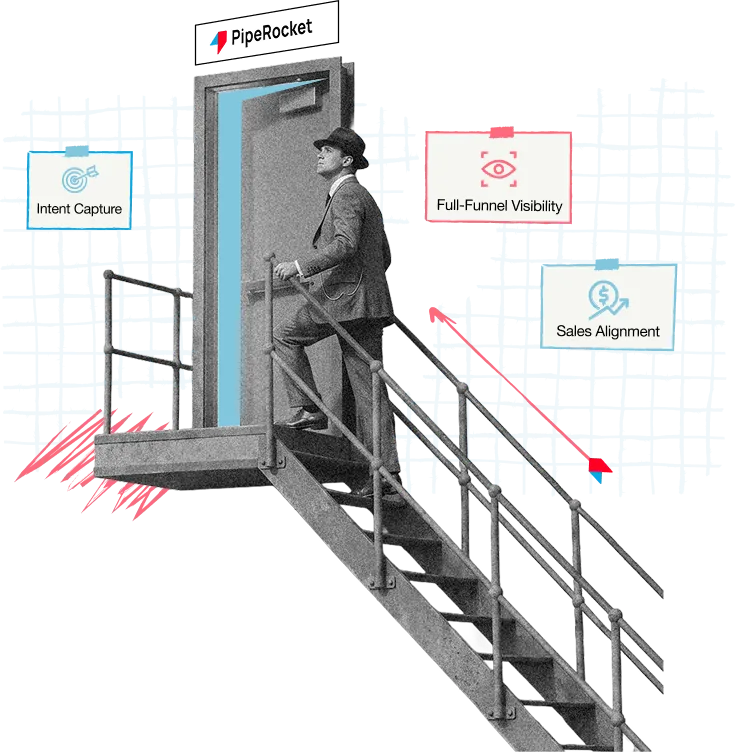
Running businessman with briefcase, turning ad spend into pipeline

Know who buys, not who clicks

Fintech buyers cluster in a handful of titles, head of payments, risk officer, treasury lead, CFO. We build campaigns around them, not around anyone with "fintech" in their LinkedIn headline. Fewer clicks, more deals.

Speak the buyer’s risk language

Ads are written around real fintech buying moments, compliance objections, integration concerns, regulatory deadlines, pulled from sales-call recordings. Generic "boost growth" headlines die in a regulated market. Risk-aware framing lives.

Sales in the loop

Fintech sales cycles are long. Lead quality is validated by sales-acceptance rates and pipeline contribution, not by lead-form completions. When sales rejects a lead, we want to know why, then fix the upstream targeting or copy.

Go where intent is

Spend goes behind buyers already evaluating vendors, comparison searches, RFP-stage queries, intent signals from third-party data. We don’t pay to introduce fintech to people who don’t know they need it. Budget follows intent, not reach.

Track to the pipeline

Every paid touchpoint is wired to your CRM and pipeline stage. We see exactly where fintech buyers drop off, at the form, at security review, at the procurement gate, so the board has answers when CAC is questioned.

Spend on what works

Budgets follow pipeline. When a fintech segment, channel, or creative consistently produces qualified opportunities, we scale it. When it doesn’t, we pause and diagnose. No spend exists to show CMO activity to the board.

Working With PipeRocket

We treat fintech ad spend like an investment

Every dollar is planned, tracked, and optimised against qualified pipeline and CFO-grade ROI, not click-through rates.


In house
Other agencies
Campaigns target broad "fintech" or "banking" audiences. CAC creeps up every quarter while sales rejects half the leads.
Campaigns target generic SaaS personas. The agency doesn’t know the difference between a head of payments and a head of treasury.
Campaigns target named fintech buyer titles, account-based segments, and intent signals. Sales-accepted lead rate is the primary success metric, not raw volume.
Landing pages are generic. Compliance review takes weeks because every claim needs sourcing after-the-fact.
Landing pages are templated. "Trust badges" replace genuine compliance signals. SOC 2, ISO, PCI, regulatory framework references.
Landing pages are built compliance-first. Claims are sourced upfront, regulatory framing is baked in, security/compliance signals are above the fold. Approval cycles compress, not stretch.
CAC trends are explained, not solved. "Cost per click is up across the industry." Pipeline contribution stays a mystery.
Reports show CTR, CPC, and conversion rate. Pipeline contribution and CAC payback live in a separate dashboard nobody opens.
Every monthly review centres on pipeline contribution by channel, CAC by buyer segment, and payback period by deal cohort, the metrics your CFO opens before anything else.
Lead-to-MQL hand-off is broken. Sales gets fintech leads with no context about what the buyer actually needs.
Lead enrichment is generic, title, company size, maybe industry. Real buyer context never reaches sales.
Every fintech lead is enriched with intent signals, ad context, and content-engagement history. Sales opens a CRM record knowing what compliance question to answer first.
Ad copy is written from internal knowledge. Nobody on the team has shadowed a fintech sales call in six months.
Ad copy is written from a keyword brief. What real fintech buyers say on demos, about risk, integration, regulators, never reaches the writer.
Every ad and landing page is built from buyer language extracted from sales-call recordings. Copy reads the way fintech buyers talk when they’re evaluating, not the way an agency brief reads.

Fintech PPC numbers that moved for 50+ B2B SaaS teams

Customers
CUSTOMERS
Pipeline
PIPELINE
Revenue
REVENUE

AI agents run your regulated-paid data.
Senior strategists run your strategy.

Most fintech agencies still run their playbook manually. We built our delivery around AI agents, compliance-aware audience research, ad copy variants, bid optimization, landing page experiments, and pipeline attribution, so what used to take a quarter ships every sprint, and senior strategists stay senior.


AI in fintech PPC
Research +
AI surfaces ICP signals, competitor activity, and audience intent data before a single campaign launches. Which fintech segments are actively in-market, which messages move regulated buyers, and what pipeline opportunities are hiding in plain sight stays with the team.
Copy +
AI generates ad copy variants and landing page drafts across angles, audiences, and formats so more combinations get tested before budget commits. Which angle matches the fintech ICP, which message moves a compliance-aware buyer, and whether the copy sounds like a real practitioner or an agency brief stays with the team.
Design +
AI produces creative variants across sizes, formats, and messaging angles so more combinations are evaluated before spend is committed. Which creative reflects the fintech ICP accurately, which visual hierarchy converts, and whether the design earns trust in the first three seconds stays with the team.
Optimisation +
AI flags underperforming ad sets, audience fatigue, budget inefficiencies, and bid signal shifts before they become pipeline problems. What to pause, what to scale, and when a signal means change the strategy rather than adjust the execution stays with the team.
Analysis +
AI connects paid touchpoints to pipeline and revenue across channels, surfacing CAC, payback period, and pipeline contribution faster than any manual model. What the data means for strategy and how to present pipeline contribution to the board in a way that holds up stays with the team.

We’ve helped fintech and SaaS brands like yours

I've worked with a lot of paid ads contractors, agencies big and small, and this is one of the few times I can confidently say my paid ads channel—when I spend a dollar, $9 in pipeline will come in. Even now with Goldcast being acquired, I consider them my paid ads headcount.

Cindy
Cindy
Director of Growth Marketing

PipeRocket is exactly what HyperVerge needed to start our performance marketing efforts. Their experience, actionable strategies brought in 51 high-quality MQLs in just 3 months. Specifically, the team's approach towards fine-tuning campaigns across regions not only grew our leads but also saved us costs.


Naveen
Naveen
Head of Marketing

Working alongside PipeRocket has been a commendable experience for Storylane. We were looking into how to boost our qualified leads. Their comprehensive analysis, strategic initiatives, end-to-end campaign structuring, landing page experimentation, and targeted remarketing delivered remarkable results for us.


Nalin
Nalin
CEO

They worked closely with us and took ownership like our in-house team. The team ran over 10 experiments to identify what was working and invalidated two new geographies for the ads. Moreover, PipeRocket Digital was responsive, open to feedback, and eager to meet the objectives.


Anusha
Anusha
Founding member

PipeRocket Digital has grown our organic traffic 5X over eight months and their organic leads by 25% over six months. The team is prompt and involved strategically and in execution. Moreover, their in-depth understanding of paid and consistent involvement make them a reliable partner.


Nivas
Nivas
Head of Marketing

PipeRocket Digital helped us achieve 2.2 times more organic search traffic growth and a 50% improvement in ROAS. The team worked as an extended team and delivered tasks promptly. PipeRocket Digital was committed to driving growth and continuously learning and improving.


Saptharishi Baradhan
Saptharishi
Head of Demand Generation

Agentic AI is how we cut fintech PPC waste before the next bid auction

AI agents own the data layer, audience builds, ad variants, bid optimisation, attribution. Senior paid strategists own every campaign call in a compliance-sensitive category.

Pillar 01

Autonomous, not auto-suggested

Our agents complete entire paid workflows end to end: audience research, ad copy generation, landing-page hypotheses, bid signals, attribution. Not a "smart suggestion" button next to a media planner's checklist. Autonomous agents that finish the task and hand it to a strategist for the call.

Pillar 02

Signal-driven, not weekly-reviewed

Agents watch every campaign across Google Ads, LinkedIn, and programmatic channels in real time. Audience fatigue, bid-signal shifts, creative decay, and budget waste get flagged the moment they appear, not at the Monday standup three days after spend was burned.

Pillar 03

Bid and compliance calls stay human

Agents handle the execution layer: audience builds, variant generation, in-platform optimisation, attribution. Senior strategists own the calls that move spend, which audiences to scale, which tests to back, and the review every claim a regulated category demands.

Pillar 04

ROAS that survives a CFO review

Every agent reports to one number: pipeline-tied ROAS. CPC, CTR, and impression share are diagnostic, never the goal. CAC, payback period, and pipeline contribution by channel surface continuously so the spend story holds up in the boardroom.

The PipeRocket Fintech PPC Approach

Each phase is built around how regulated fintech buyers actually decide, and how their compliance, security, and procurement teams gate the deal.

Discovery & Alignment

Sales-call recordings reviewed, fintech buyer titles confirmed, pipeline-stage definitions agreed, current-state audit of paid and analytics.

By day 14 we have a 90-day plan with CFO-ready KPIs and everyone aligned on who you’re targeting, why they buy, and how results will be measured.

Fintech Market & Competitor Research

We map the fintech auction, payments, KYC, BaaS, treasury, including the last 12 months of competitor ad copy, audience overlap, and where buyers cluster.

Output is where you can take share from under-targeting competitors, not a generic keyword list.

Channel + ICP Strategy

Channel mix matched to fintech buyer behaviour. Google for high-intent capture, LinkedIn for ABM into named risk and payments leaders, programmatic for retargeting compliance gatekeepers.

Every channel earns its budget against a pipeline outcome.

Compliance-Ready Execution

Ad copy and landing pages drafted from real fintech buyer language. Compliance signals. SOC 2, ISO 27001, regulatory framework references, built in from the start.

CRM tracking wired. First spend goes live in week three.

Bi-Weekly Optimisation

Optimisation goes beyond ad KPIs. Targeting, messaging, creative, and landing page conversion are reviewed every two weeks against pipeline contribution and CAC payback, not against CTR.

Weekly reviews keep execution tight, monthly reviews keep strategy aligned with pipeline outcomes.

Scale Only After Proof

We scale only after the system consistently produces qualified fintech pipeline. Then budgets increase, new segments open up, new platforms get tested.

Growth is led by data, not by an annual budget calendar.

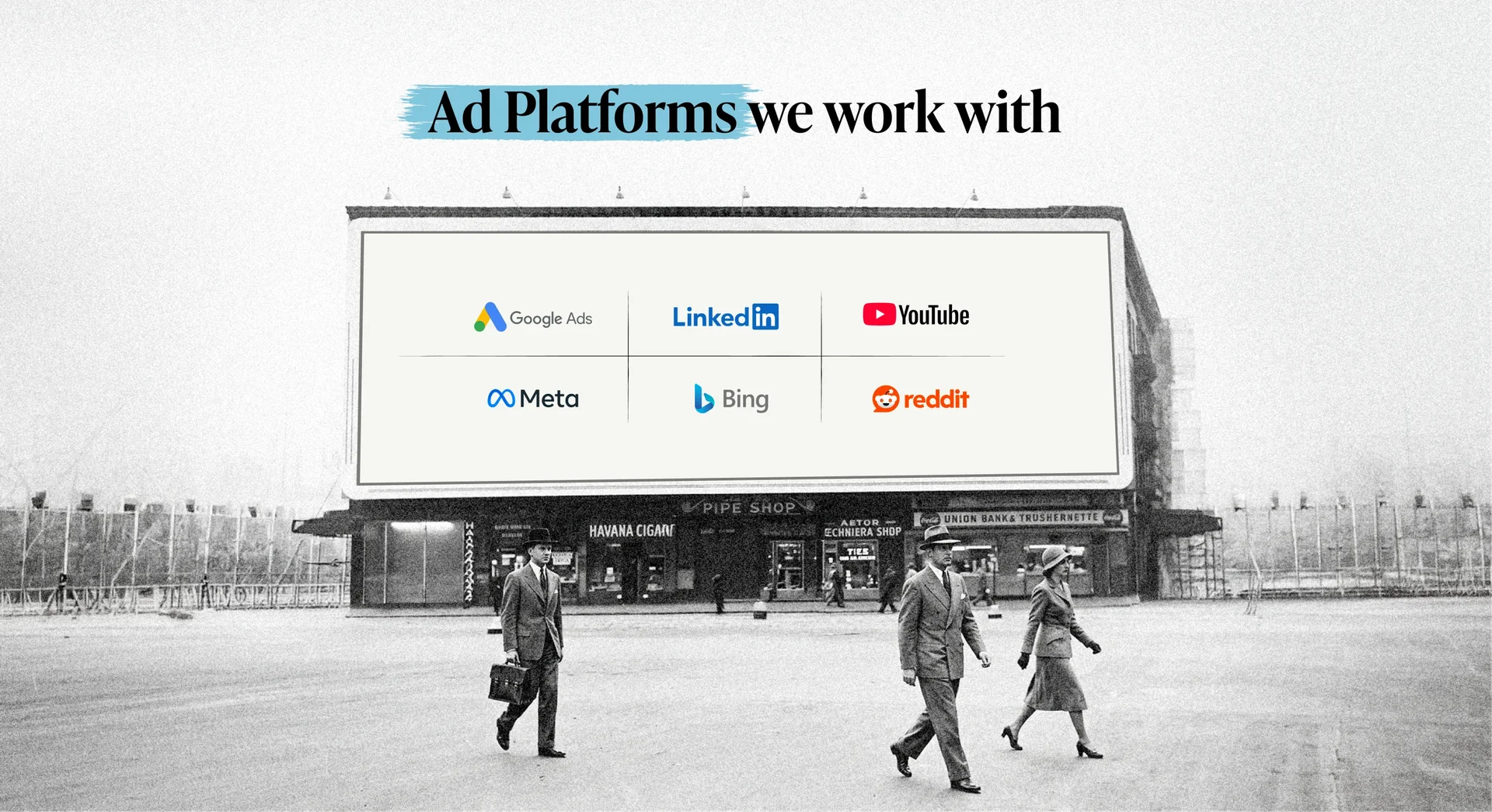
Ad platforms we work with: Google Ads, LinkedIn, YouTube, Meta, Bing, Reddit

Ad Platforms we work with

Ad platforms we work with: Google Ads, LinkedIn, YouTube, Meta, Bing, Reddit

Inside the five-agent fintech PPC stack we deploy on every account

Each agent owns one stage of how a paid dollar becomes a meeting, audience, creative, landing page, bid, attribution. They run continuously and feed every decision to the senior paid strategist on the account.

ICP & Audience Targeting Agent

Scans intent signals, firmographic data, and buyer behaviour across Google, LinkedIn, and third-party sources to surface audiences actually in-market for your fintech product. Builds that took two weeks now ship in 48 hours.

Ad Copy & Creative Variant Agent

Generates 30+ ad variants per audience from your sales-call transcripts and competitor angles, flagging claims that need compliance review, ready to test in days instead of months.

Landing Page & Conversion Agent

Produces landing-page hypotheses tied to each ad audience so the on-page experience matches click-through intent. The CTA, proof points, and MQL path are decided before traffic lands.

Bid & Budget Optimization Agent

Monitors campaigns continuously, flagging underperforming ad sets, audience fatigue, budget inefficiencies, and bid-signal shifts before they become pipeline problems. What to pause or scale stays with the team.

Pipeline Attribution Agent

Connects every paid touchpoint to your CRM, surfacing CAC, payback period, and pipeline influenced by channel, audience, and creative. The reporting your board wants, generated continuously.

Fintech success stories

HyperVerge

Achieving 3.5X MQL growth for HyperVerge, fintech identity & KYC, with a paid programme rebuilt around buyer intent.

Read full story
Spendflo

61% traffic lift for Spendflo. SaaS spend management, by aligning paid + organic against high-intent finance-buyer searches.

Read full story
Storylane

2.5X growth, 82% more demos for Storylane, paid campaigns rebuilt around real buyer language and qualified pipeline.

Read full story

Fintech PPC questions from finance, marketing, and RevOps teams

How do you measure fintech PPC beyond clicks and leads? +
We capture click IDs on the form (GCLID, MSCLKID, LinkedIn click IDs), pass them to HubSpot or Salesforce, map them through MQL → SQL → SQO → closed-won, then push offline conversion values back into the ad platform so bidding optimises on revenue instead of cheap leads. Also included: enhanced conversions, server-side tagging, consent-mode handling, UTM standards, lead routing and deduplication, and one dashboard where cost per SQL and CAC payback are the headline numbers.
What makes fintech PPC different? +
Compliance-aware messaging: ad copy, headlines and landing pages have to respect KYC/AML, GDPR, SOC 2 and SEC-adjacent constraints, which usually means replacing claims with proof, and getting creative through review before launch, not after a takedown. Platform restrictions: financial-services verticals carry extra platform certification and ad-policy checks on Google and Meta; accounts get disapproved for language that would pass anywhere else. Multi-stakeholder buyers: a single deal involves the economic buyer, a compliance or risk owner and a technical evaluator, so one landing page cannot carry the whole argument. Revenue attribution: ad spend has to connect to closed-won deals and pipeline metrics, not click counts.
What is a SaaS fintech PPC agency? +
A SaaS fintech PPC agency owns paid acquisition for a financial software business across Google, Microsoft and LinkedIn. What makes it a specialism rather than just a channel: every ad and landing page clears compliance review before launch, financial-services ad policies are stricter than any other vertical, and performance is judged on closed-won revenue rather than lead volume.
How much does a SaaS fintech PPC agency cost? +
Fintech PPC engagements in this market start around $5,000/mo and run to $12,000–$20,000/mo at the enterprise end, billed separately from media. Expect 60–90 days to a stable cost per SQL, longer where compliance review gates creative velocity. PipeRocket retainers start at $3,000/mo, scope-based, with a 3-month minimum then rolling, no setup fee, no markup on ad spend, and a free audit before you commit. What that buys: account build, compliance-reviewed creative and landing pages, conversion tracking and CRM wiring, weekly optimisation and a pipeline dashboard. What it does not include: a percentage cut of your ad spend, or a 12-month lock-in.
Who will actually work on our account? +
Every account is run by a senior-led pod, strategist, SEO lead, paid media lead, content strategist, with no junior handoff. 30+ team, 70+ B2B SaaS clients since 2023, 4.7/5 across 18 verified Clutch reviews, Google Partner and Meta Business Partner. Named clients include Storylane, Spendflo, HyperVerge, HyperStart, DevRev and CyberSierra. Verified results: HyperStart moved SQOs from 4 to 11 and cut cost per lead 73%; HyperVerge hit 51 MQLs in three months at 3.5x on zero extra budget; Storylane grew 2.5x in a quarter with SQLs up 25%.
How do you structure bidding, keywords and audiences? +
Bidding runs on Target CPA, Target ROAS and Maximize Conversion Value, with manual CPC while conversion volume is thin. Keywords use exact match, phrase match and broad match deliberately, and the negative keyword architecture does unusually heavy lifting in fintech: consumer-finance, job-seeker and student queries burn a large share of a naive B2B budget, so shared negative keyword lists grow weekly from the search terms report. Audiences combine Customer Match, remarketing lists, in-market audiences and LinkedIn company, job-function and seniority targeting, layered with ABM account lists, geo-targeting, frequency caps and existing-customer exclusions.
How do you keep fintech ads compliant? +
Creative goes through review before launch rather than after a takedown. Claims are replaced with provable statements, disclosures sit where the platform requires them, and we keep a version history so a compliance or legal reviewer can see exactly what is live. We also handle the extra certification and ad-policy checks that Google and Meta apply to financial services.
Which channels work best for fintech SaaS? +
Google Search carries most of the pipeline because it captures buyers already looking. LinkedIn reaches the compliance and risk owners who join the decision late. Microsoft Advertising is meaningfully cheaper on the same keywords and skews to enterprise desktop users. G2 and Capterra placements catch buyers mid-comparison.
Why is fintech PPC different from generic SaaS PPC? +
Fintech buyers carry compliance, security, and procurement scrutiny that generic SaaS doesn’t. Sales cycles run longer, deals get gated by SOC 2 / ISO / regulator approvals, and CACs are unforgiving. Generic PPC playbooks produce clicks; fintech PPC produces qualified opportunities only when targeting, copy, and landing pages respect that reality.
How quickly do paid campaigns produce qualified fintech pipeline? +
First spend goes live in week 3 of the engagement. Most fintech clients see qualified pipeline within 30–60 days once CRM attribution and compliance-ready pages are wired in. Closed-won timing depends on your sales cycle and procurement gates.
Which paid channels work best for fintech? +
Google Ads for capturing high-intent vendor and comparison searches, LinkedIn for ABM targeting named risk officers and heads of payments and treasury, and programmatic and retargeting for nurturing compliance and procurement gatekeepers across long sales cycles. Channel mix is matched to the fintech buyer journey, not preference.
Can you work within our compliance and brand guardrails? +
Yes. Ad copy, landing pages, and intent claims are built compliance-first, citations sourced upfront, regulatory framing baked in, sensitive claim language vetted before launch. Approval cycles compress, not stretch.

If your fintech CACs are still going up, your campaigns aren’t built for fintech buyers. Let’s fix that.

We work with a small number of fintech B2B SaaS companies at a time. If your pipeline isn’t growing the way your board expects, let’s find out if we’re the right fit.

Book Free Audit