SaaS PPC
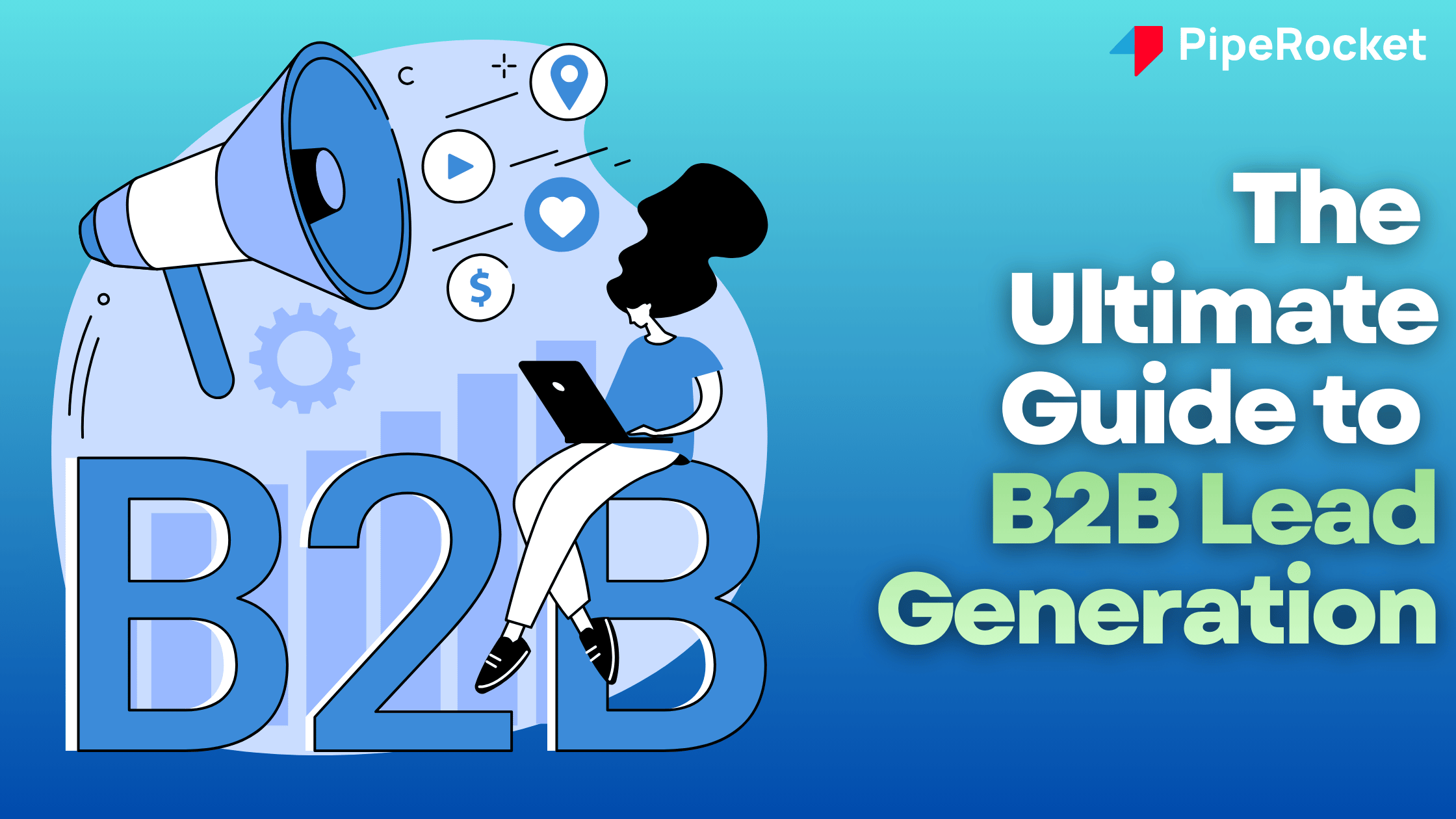
B2B Lead Generation: A Complete Guide for 2025
Praveen Ravi
|
28 November, 2025
SaaS PPC
Praveen Ravi
|
28 November, 2025
One month you have leads flowing in… the next month everything slows down.
Most B2B teams face this feast-or-famine cycle. And it’s not because your market vanished or your product stopped being good, it’s usually because your lead generation is relying on just one channel or one tactic that eventually slows down.
The deeper issue is inconsistency: buyers don’t convert after one touch anymore. They move through six, seven, sometimes eight different interactions before they even think about talking to sales.
So if you’re only showing up in one part of their journey, you disappear everywhere else.
That’s why predictable B2B lead generation needs a multi-channel engine. And in this guide, we’ll walk you through exactly how to build that.
B2B lead generation is the process of attracting the right businesses, getting them interested in your solution, and guiding them toward becoming qualified sales opportunities.
Here’s what it really involves:
And unlike B2C, B2B buying isn’t a quick click-and-purchase moment. The journey is longer because:
In a nutshell, effective B2B lead generation is about consistently attracting the right companies and moving them through a thoughtful, multi-step journey.
B2B lead generation isn’t a single tactic; it’s a sequence of steps that move someone from “never heard of you” to “ready for a sales conversation.” Here’s how the workflow comes together.
Everything starts with knowing exactly who you’re targeting. A strong ICP tells you which companies are worth pursuing based on industry, size, tech stack, and pain points.
From there, build personas for each key stakeholder. Your messaging should speak to:
Each cares about something different, and your lead gen strategy must reflect that.
Once you know your audience, show up where they already are. Relying on one channel creates an inconsistent pipeline. Buyers move across content, SEO, cold email, social, and ads before engaging.
A balanced mix usually includes:
Someone might read a blog, see a retargeting ad, and respond days later; that’s the normal multi-touch path in modern B2B buying.
At some point, your prospects need a reason to raise their hand. This is where lead capture comes in. You’re not forcing them, you’re giving them something valuable enough that they want to exchange their details.
Lead capture works when you offer something valuable like a guide, webinar, template, calculator, or assessment. These solve a small problem instantly.
And your CTA should be simple and specific:
Once they opt in, the relationship begins.
Not every lead is sales-ready. Your qualification process filters signal from noise. Here is how to qualify leads:
When a lead hits the threshold, they move from MQL → SQL → Opportunity.
Most B2B leads need time before they’re ready to buy, often taking weeks or months. Nurturing is how you stay top-of-mind without being pushy.
Effective nurturing touches include:
The goal is simple: keep showing up with helpful content until the buyer is ready to talk.
There’s no single “magic” strategy that fills a B2B pipeline. These strategies are similar to the core building blocks. You don’t need all of them at once, but combining the right few can dramatically improve both lead volume and lead quality.
Let’s break them down one by one.
Content remains one of the strongest ways to attract buyers early in their journey. When prospects are researching a problem or comparing solutions, your content is often their first interaction with your brand.
Good ToFu content includes:
The goal here isn’t to hard-sell, it’s to establish authority and build trust so conversions happen naturally as buyers progress.
SEO still drives consistent inbound leads, but intent matters more than volume. Informational keywords bring awareness, but high-intent pages move the pipeline. Your pricing page, comparison pages, solution pages, and use-case pages are doing the real heavy lifting.
Someone searching “Product A vs Product B” is far closer to buying than someone reading an intro guide. When your content aligns with these levels of intent, inbound becomes predictable instead of sporadic.
Email is where most long-cycle B2B nurturing happens. Once someone downloads a resource or attends a webinar, your drip sequences keep the relationship alive. Good sequences share case studies, address objections, and surface relevant product use cases.
Segmentation makes a big difference because a CFO and a product manager shouldn’t get the same content. And when leads go quiet, re-engagement workflows help pull them back in.
Buyers don’t just research solutions; they also observe the people behind them. LinkedIn has become the most powerful platform for building that familiarity. When your founders, marketing team, or sales reps share useful insights regularly, prospects start recognising your brand long before outreach happens.
Social selling works because it blends valuable posts, targeted DMs, and consistent engagement, creating warm conversations instead of ignored cold messages.
Paid channels help you scale faster than organic alone.
Together, search + social + retargeting create a full-funnel paid engine that speeds up the pipeline.
If you sell to mid-market or enterprise companies, ABM changes the game. Instead of casting a wide net, you focus on a shortlist of high-value accounts and personalise everything they see.
ABM can include:
Bigger accounts expect relevance, and ABM delivers exactly that.
Outbound remains essential for proactive pipeline creation. The key is personalisation by referencing industry context, intent signals, or trigger events like funding rounds or hiring spikes. Strong outbound sequences use 6–8 touches across email, LinkedIn, and phone, creating enough familiarity for prospects to engage.
Events still work because they deliver value in real time. Virtual roundtables, workshops, demo events, and co-hosted webinars help prospects learn from you without committing to a sales call. They also create reusable content you can distribute across your channels.
Referrals and partnerships generate some of the warmest leads you’ll ever get. Trust transfers instantly, and conversion rates are usually higher. Channel partners, affiliates, and co-marketing collaborations also help you access audiences you wouldn’t reach on your own.
A lot of teams know what lead generation is, but the real challenge is knowing how to execute it in the right order. Here’s the step-by-step workflow that high-performing B2B teams follow.
Before anything else, get clarity on who you’re targeting and who’s involved in the buying decision. This prevents wasted spend, irrelevant leads, and mismatched expectations. A sharp ICP makes every marketing activity easier.
Try this:
Relying on one channel is why lead flow spikes one month and drops the next. Buyers move between search, social, email, and outbound, so your strategy must meet them across multiple touchpoints.
Try this:
Once your channels are live, you need a reason for prospects to convert. Strong offers help buyers take the next step without committing to a full demo right away.
Try this:
Not every lead deserves sales attention. Qualification ensures your team focuses on prospects who show intent and match your ICP.
Try this:
Most leads need nurturing before they’re ready to talk. Smart automation keeps you top-of-mind while sales steps in at the right moment.
Try this:
What gets measured improves. Tracking the right metrics helps you scale what’s working and fix what’s slowing growth.
Try this:
Generating more leads is easy. Generating better leads is what actually drives revenue. Here’s how to improve lead generation across your funnel.
Traffic spikes and webinar sign-ups don’t mean much if the leads aren’t a fit. Lead quality improves when you optimise for relevance instead of volume. When your targeting and messaging align with your ICP’s real problems, low-intent noise drops instantly.
Third-party data is fading, which means your CRM and website behaviour now hold the most valuable insights. Look at which accounts revisit your pricing page or regularly engage with your emails. These patterns help you understand who’s actually in-market and shape more accurate targeting.
When sales and marketing have different definitions of a “qualified lead,” lead quality suffers. Shared criteria, shared dashboards, and frequent communication ensure both teams recognise the same triggers of buying intent, leading to smoother handoffs and higher conversion rates.
Personalisation is the easiest way to boost lead quality. Tailor messages to a prospect’s industry, role, and stage of their journey. Even small touches like a relevant pain point or contextual CTA make your outreach feel human and increase engagement across long buying cycles.
The right tools don’t replace strategy, but they make execution faster, cleaner, and far more scalable. Here are the core tool categories that matter most.
Your CRM stores contact details, tracks interactions, and shows where each prospect is in the pipeline. A good CRM helps your marketing and sales teams stay aligned, avoid duplicate work, and maintain clean data. Think of it as the backbone of your lead generation process.
Best tools: HubSpot, Salesforce, and Zoho
These tools help you nurture leads without having to manually follow up with everyone. You can create email sequences, score leads based on behaviour, trigger workflows, and deliver personalised content automatically. This is what keeps prospects engaged until they’re ready for sales.
Best tools: HubSpot, Marketo, and Customer.io
Outreach platforms support SDR workflows such as cold email, calling, LinkedIn sequencing, and multi-step outbound cadences.
Best tools: Outreach, Apollo, and Salesloft
Analytics platforms show you which channels, campaigns, and touchpoints are actually driving the pipeline. Attribution tools connect the dots between a lead’s first touch and final conversion, helping you allocate budget more intelligently.
Best tools: Google Analytics, Dreamdata, and HockeyStack
ABM tools let you target specific high-value accounts with personalised ads, messaging, and outreach. They reveal intent signals, recommend target accounts, and coordinate marketing + sales efforts in one place.
Best tools: Demandbase, 6sense, and Terminus
Tools like Google Ads and LinkedIn Ads help you run targeted campaigns that reach buyers based on intent, role, and industry. They’re essential for generating demand, capturing high-intent leads, and retargeting prospects who’ve already engaged with your brand.
Today’s buyers want more than information; they want to feel understood. That’s why 96% of marketers say personalized experiences increase sales in the Hubspot 2025 State of Marketing Report.
When your lead generation strategy is built around real buyer intent, thoughtful content, and multi-touch nurturing, everything becomes easier: better leads, faster sales cycles, and a predictable pipeline.
That’s where PipeRocket Digital comes in. We help B2B brands build lead gen systems rooted in strategy, personalization, and measurable outcomes.
If you’re ready to level up your lead generation and finally get a consistent pipeline, book a strategy call with PipeRocket Digital. Let’s grow smarter together.
B2B lead generation is the process of attracting businesses that are likely to purchase your product or service and converting them into qualified prospects. It includes identifying your ideal accounts, reaching them through multiple channels, capturing their details through offers or forms, and nurturing them until they’re ready to talk to sales.
You generate B2B leads by using a mix of inbound and outbound tactics. Inbound includes SEO, blogs, guides, and webinars. Outbound includes cold email, LinkedIn outreach, and ABM campaigns. You capture leads with valuable offers, qualify them using intent signals and scoring, and nurture them with personalised emails and retargeting. A multi-channel approach always performs better than relying on one source.
Examples include SEO-driven website traffic, LinkedIn Ads, Google Search campaigns, cold email outreach, webinars, events, and referral programs. Lead magnets like templates, calculators, whitepapers, demos, and free trials also work well. Each of these helps attract the right accounts and move them closer to becoming sales opportunities.
Get fresh ideas, actionable insights and expert guidance for B2B events delivered
directly to your inbox!

Running PPC for a SaaS company is fundamentally different from standard e-commerce. You aren’t just...
Read More →
I’ve spent over 15 years in SEO, and if there’s one thing I’ve learned, it’s...
Read More →
Let’s be honest, most SaaS Google Ads content out there is just recycled advice dressed...
Read More →Please note that we only partner with 1-2 new clients per month
Book for Consultation