Marketing pitches "lawyers". The GC reads four lines, decides the vendor doesn’t understand privilege, and forwards the email to a junior associate.
The agency runs a generic SaaS playbook. They’ve never sat in a partner committee. Trust signals legal buyers actually need, peer references, bar-rule fluency, never appear.
Programmes lead with peer-credible content, named-firm references, and bar-aware language. The GC reads it and recognises someone who has done this before.
SOC 2 lives in a footer link. Privilege, data residency, and bar-rule compliance get re-litigated on every security questionnaire, losing weeks per deal.
The agency lists "secure" once. No detail on privilege handling, data residency, audit trails, or jurisdiction-by-jurisdiction posture.
Privilege, data residency, audit trails, SOC 2, and ISO 27001 surfaced first, with detail on jurisdiction, scope, and audit posture. GCs and IT self-qualify before booking.
Campaigns push during the wrong week. Lawyers in deal-close or deposition mode ignore the message entirely.
The agency runs SaaS pacing. Q1 push, Q4 push. They never plan around legal-calendar realities.
Campaigns are timed around the legal calendar, quieter weeks for trial cycles, RFP windows for in-house review, partner-committee meeting rhythm, so messaging lands when the buyer can read it.
Pipeline reports show MQLs. The managing partner asks about realised billable-hour savings or matter throughput and the answer takes a week.
Reports show CTR, sessions, and rankings. Practice-area pilot progression and firm-cohort CAC payback stay in a separate dashboard nobody opens.
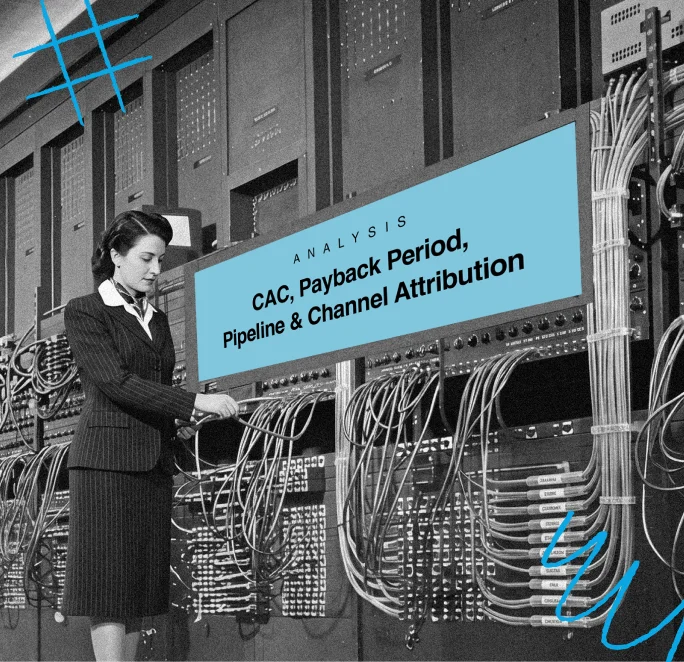
Reports centre on pilot-stage progression by practice area, deal velocity by buyer role, and CAC payback by firm / corporate cohort. Built for managing-partner and CFO review.





























































 Buyer & Practice-Area Research
 Privilege-Aware Content
 Page Layout & Conversion
 Technical Audit & Refresh
 Pipeline Attribution